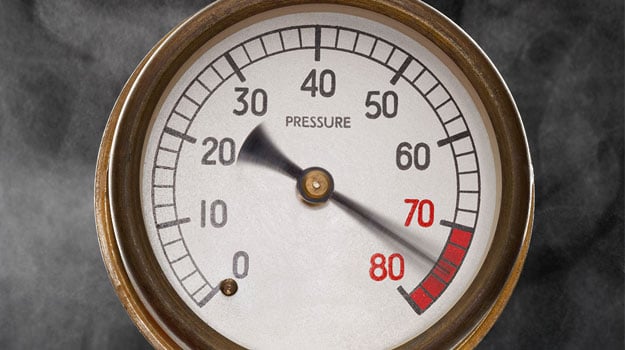
Extrusion processors monitor a wide range of process variables, including melt temperature, screw speed, throughput, and motor load. However, one of the most valuable indicators of process health is often underutilized: barrel pressure. Barrel pressure provides real-time insight into what is happening inside the extruder. Changes in pressure can reveal issues related to material behavior, contamination buildup, flow restrictions, or process instability long before defects become visible in the final product. By understanding how to interpret pressure trends, processors can improve troubleshooting, optimize changeovers, reduce scrap, and maintain a more stable extrusion process.
What Does Barrel Pressure Tell You?
Barrel pressure represents the resistance encountered by the polymer melt as it moves through the extrusion system. Because pressure is directly influenced by material flow, it can provide valuable information about the condition of both the process and the equipment.
Melt Viscosity and Material Behavior
Pressure is closely related to melt viscosity. Changes in barrel pressure may indicate:
- Melt temperature fluctuations
- Material inconsistencies
- Moisture contamination
- Polymer degradation
- Inadequate mixing
Because pressure often responds faster than product quality measurements, it can serve as an early warning indicator of process changes.
Flow Restrictions
Pressure trends can help identify restrictions throughout the extrusion system, including:
- Dirty screens or filters
- Die buildup
- Material contamination
- Inconsistent feeding
- Excessive back pressure
A gradual increase in pressure often signals that material is encountering more resistance as it flows through the system.
Process Stability
A stable process typically produces a relatively consistent pressure profile. Excessive fluctuations may suggest:
- Surging feed rates
- Material inconsistency
- Air entrapment
- Deposits within the barrel or die.
- Worn processing components
Monitoring pressure trends over time can help operators identify issues before they result in scrap or unplanned downtime.
How Contamination Affects Barrel Pressure
As residue, degraded material, carbon deposits, or color contamination accumulates inside an extrusion system, it creates flow restrictions. These restrictions often lead to:
- Higher operating pressure
- Increased pressure fluctuation
- Reduced process consistency
- Greater sensitivity to process adjustments
In many cases, processors first notice contamination through unexpected pressure changes rather than visual defects. Pressure data can therefore be used as an additional indicator when evaluating the cleanliness of an extrusion system.
Many processors evaluate purge effectiveness based primarily on visual appearance. While visual inspection remains important, pressure monitoring can provide additional insight into what is happening inside the machine. During purging, pressure trends may help operators determine whether contamination is being removed from the system. Commonon observations include:
-
Reduced pressure spikes
- Improved pressure stability
- Lower overall operating pressure
- More predictable process response
These changes can indicate that flow restrictions are being reduced and that material is moving more efficiently through the extrusion system. Pressure should not be viewed as the sole criterion for determining purge completion. Instead, it should be considered alongside visual observations, material appearance, and process stability.
What Does a Clean Extrusion System Look Like?
After a successful cleaning or purge, processors often observe improvements in pressure behavior throughout the process. Common indicators include:
More Stable Pressure
A cleaner system typically produces smoother pressure curves with fewer spikes and fluctuations.
More Consistent Melt Flow
When restrictions are removed, material can flow more uniformly through the screw, screen pack, and die.
Improved Response to Process Adjustments
Changes in screw speed, throughput, or temperature often yield more predictable pressure responses when contamination is absent.
Reduced Pulsation
Partial blockages can create periodic pressure oscillations. Removing these restrictions helps stabilize the process and improve product consistency.
Longer Screen and Filter Life
Lower contamination levels may reduce pressure buildup across screen packs and filters, potentially extending maintenance intervals.
Where Should Barrel Pressure Be Measured?
The value of pressure monitoring depends heavily on sensor location.
Metering Zone or End of Compression Zone
This location provides valuable information about melt development and plasticization performance.
Before the Screen Pack or Filter
Pressure measurements in this area can help identify contamination buildup and developing restrictions.
Near the Die Entrance
When possible, pressure measurements near the die can provide insight into final flow stability and product consistency. Using multiple measurement points can provide a more complete picture of process conditions throughout the extrusion system.
Best Practices for Pressure Monitoring
To obtain meaningful data:
- Use properly calibrated melt-pressure sensors.
- Collect trending data rather than relying on single readings.
- Correlate pressure with melt temperature and screw speed.
- Track pressure changes following screen or filter replacements.
- Establish normal operating ranges for each process.
Trend data is often more valuable than individual measurements because it helps identify gradual changes that may otherwise go unnoticed.
Common Causes of Pressure Fluctuations
Unexpected pressure changes do not always indicate contamination. Potential causes include:
- Resin lot variations
- Moisture in hygroscopic materials
- Temperature control issues
- Feeding inconsistencies
- Dirty screens
- Die restrictions
- Changes in screw speed or throughput
Understanding the source of pressure variation helps processors make more effective adjustments and avoid unnecessary troubleshooting.
Frequently Asked Questions
What does barrel pressure indicate in extrusion?
Barrel pressure measures the resistance the polymer melt encounters as it moves through the extrusion system. It can provide insight into viscosity, material behavior, flow restrictions, and overall process stability.
What causes barrel pressure to increase?
Pressure increases are often associated with contamination buildup, dirty screens, die restrictions, higher material viscosity, or changes in operating conditions.
Why is barrel pressure important during troubleshooting?
Pressure data can help identify process issues before they become visible in the final product. It often serves as an early indicator of flow restrictions, degradation, or instability.
Can pressure help determine whether a purge has been effective?
Pressure trends can provide useful information about process cleanliness. Reduced fluctuations and improved stability may indicate that restrictions have been removed. However, pressure should be evaluated alongside visual inspection and overall process performance.
How often should extrusion pressure be monitored?
For critical processes, continuous monitoring provides the most useful information. Trend analysis can help identify developing issues and improve long-term process control.
Conclusion
Barrel pressure is far more than a machine parameter. It is one of the most effective tools for understanding melt behavior, monitoring process stability, and identifying potential issues before they affect production. Whether troubleshooting flow restrictions, evaluating process consistency, or assessing system cleanliness after a changeover, pressure data provides valuable insight that can help extrusion processors make more informed decisions, reduce scrap, and maintain stable production.
Want to improve changeover consistency and reduce downtime? Talk to an Asaclean expert about your extrusion process.







Comments