



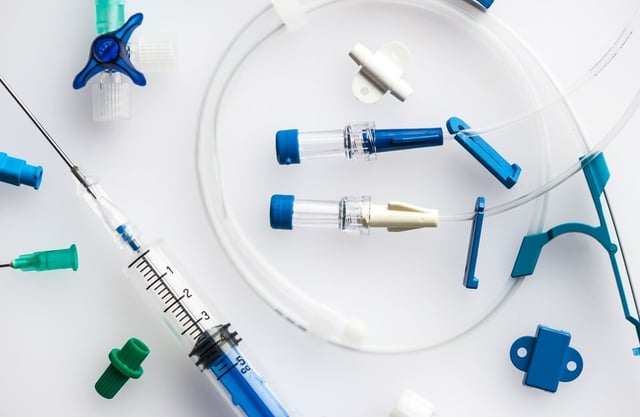
In medical plastics manufacturing, quality isn’t just a performance metric — it’s a matter of compliance, safety, and patient outcomes. Whether you’re molding surgical instruments, pharmaceutical packaging, oxygen tubes, or medical device components, the materials you run and the cleanliness of your machinery directly impact part quality and production efficiency. For processors in this industry, purging compounds play a critical role in delivering defect‑free, high‑quality products while reducing waste, downtime, and contamination risks.
Medical Processing Has Zero Margin for Error
Medical and pharmaceutical plastics processors face exceptionally tight quality standards because these products often interact directly with patients or critical healthcare environments. From blister packs for syringes to injection‑molded housings for medical devices, every part must meet strict tolerances and regulatory expectations. Contamination — even in trace amounts — is unacceptable.
Traditional cleanup methods like manually brushing the screw or relying on regrind or virgin resin flushes are insufficient. They take longer, leave residual material behind, and increase the risk of cross‑contamination between production runs. That’s where purging compounds become invaluable.
-
Purging Compounds Maintain Equipment Cleanliness
Purging compounds are engineered cleaning materials formulated to remove residual resin and contaminants from the screw, barrel, hot runners, and other internal tooling between production runs. Unlike virgin resin or grinding scrap, purging compounds are specifically designed to:
- Penetrate and lift residue stuck to machine surfaces
- Remove colorant and additive remnants
- Clear difficult‑to‑reach areas that common flush methods miss
Comprehensive cleaning with a dedicated purging compound prevents leftover resin from causing defects in the very next batch — a critical concern when manufacturing parts for medical devices or pharmaceutical packaging where cleanliness affects performance.
-
Faster Changeovers Reduce Downtime and Scrap
Medical processors often run multiple resins, colors, or grades on the same machine. Changeovers between materials like PVC, TPU, ABS, polycarbonate, or PEEK must be done without leaving behind contamination that could compromise next‑run quality.
Purging compounds help streamline these transitions by:
- Cleaning faster and more thoroughly than flushing with production resins alone
- Reducing color carryover and spotting in clear or light‑colored parts
- Minimizing scrap during transitions from one run to the next
- Allowing quicker return to production with fewer rejects
This results in measurable reductions in production downtime and material waste — major cost drivers in high‑precision medical environments.
-
Reduce Risk of Contamination and Quality Issues
In medical applications, contamination isn’t just unsightly — it can render a part non‑compliant or unsafe. Purging compounds help medical processors:
- Eliminate residual material that can cause surface defects
- Prevent black specks, gels, and resin blends from appearing in finished parts
- Maintain stricter tolerances critical to medical safety and performance
By keeping machines clean between runs, purging compounds help processors meet stringent industry quality standards while maintaining consistent output — a key advantage where reliability and traceability are essential.
-
Support High‑Value Resin Use and Cost Control
Medical processors commonly use expensive, high‑performance resins such as PMMA, PC, POM, PE, and specialty compounds for specific applications. Scrap from contamination or inefficient changeovers can quickly erode profitability.
Purging compounds allow processors to:
- Recover more regrind material by keeping it contaminant‑free
- Reduce reliance on virgin resin during changeovers
- Improve material utilization and reduce waste costs
- Increase overall throughput by reducing cleaning downtime
This not only improves profitability but also supports broader sustainability initiatives by reducing material use and waste.
-
Simplify Maintenance and Prevent Reactive Downtime
Medical processors also deal with highly detailed molds, multi‑cavity tools, and intricate components where residue buildup can hide in small channels. Over time, this buildup may cause maintenance issues or require full screw pulls — a highly disruptive and time‑intensive task.
Regular purging supports preventative maintenance by reducing carbon deposits and contamination buildup, which in turn:
- Extends machine life
- Lowers maintenance costs
- Reduces frequency of labor‑intensive cleanouts
- Keeps production schedules on track
Conclusion: Essential Tool for Medical Plastics Manufacturing
In the medical and pharmaceutical plastics industry, quality, consistency, uptime, and compliance cannot be compromised. Purging compounds are more than cleaning products — they are essential process tools that help processors:
- Maintain pristine machine conditions
- Reduce scrap and ensure smoother changeovers
- Protect part quality and meet regulatory standards
- Improve material utilization and reduce waste
- Support preventative maintenance practices
By integrating purging compounds into your standard operating procedures, medical plastics manufacturers can achieve cleaner transitions, higher productivity, and better quality — all while reducing waste and boosting sustainability.
If your team is dealing with tough resin transitions or temperature swings, we can support you with a customized purge protocol. Request a free sample or schedule a consultation with one of our purging experts today.






Comments